Virtual Therapy Etiquette: What To Do and What To Avoid

Virtual therapy has changed how people access mental health care, but it can feel strange at first if you’re used to traditional office visits. You might wonder whether you should dress up, where to sit, or how formal you should be when your therapist appears on your laptop screen.
The following guide covers virtual therapy etiquette, including what to do and what to avoid, helping your sessions feel productive and comfortable. When you understand basic etiquette, you can focus on what really matters: your mental health and healing.
Choose a Private, Quiet Location
Privacy matters in therapy. You need a space where you can speak openly without worrying about interruptions or someone overhearing you. This means closing doors, letting household members know you need uninterrupted time, and silencing notifications on other devices that might distract you.
Background noise creates problems for both you and your therapist. It’s hard to focus on difficult emotions when you’re competing with a blaring television or traffic sounds. If you live in a busy household, try scheduling sessions during times when fewer people are home. A bedroom or office with a door you can close works well.
Some people use their cars for privacy, and while it’s not ideal, a parked car in a safe location can work when other private spaces aren’t available. The goal is to create an environment where you feel safe enough to share honestly.
Test Your Technology Before Sessions
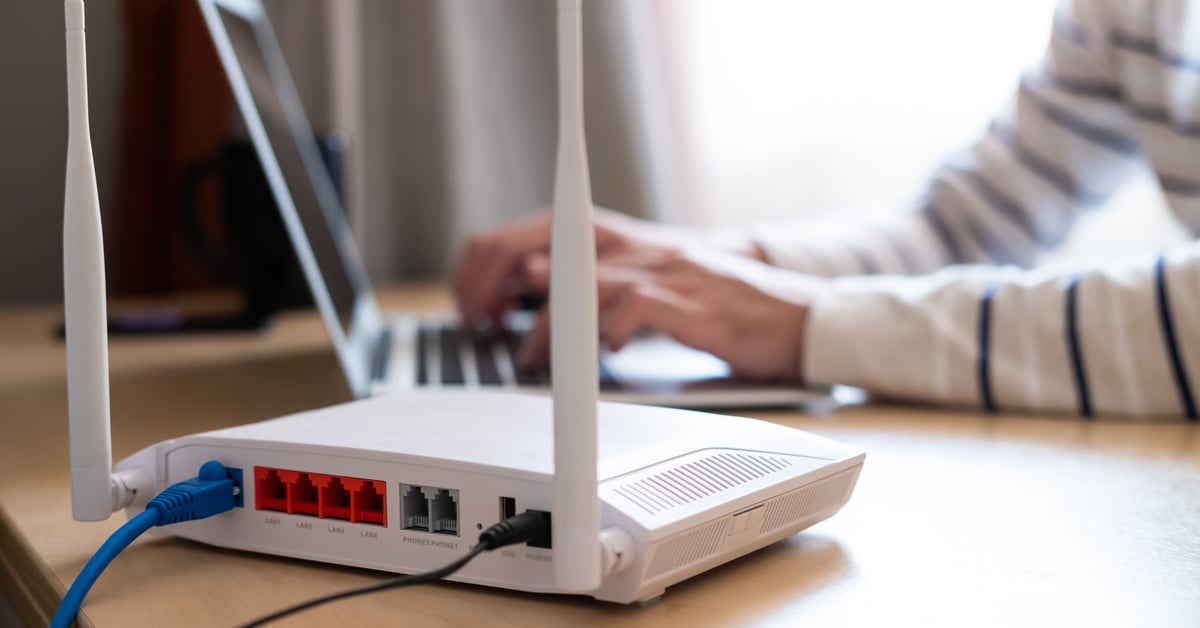
Nothing derails a telehealth talk therapy session faster than technical problems. You don’t want to spend the first 10 minutes of your appointment trying to get your microphone working or reconnecting after a dropped call. Test your internet connection, camera, and microphone at least 15 minutes before your session starts, giving you time to troubleshoot without eating into your therapy time.
Make sure your device is fully charged or plugged in. A dying battery mid-session interrupts important conversations and can leave you hanging in the middle of a much-needed breakthrough. Keep your charger nearby as a backup in case of an emergency.
Take a few minutes to familiarize yourself with whatever video platform your therapist uses. Most are straightforward, but you should know how to mute and unmute yourself, turn your camera on and off, and access basic features before your first session.
Position Your Camera at Eye Level
How you position your camera can shape the flow of your session. When your device is at eye level, it’s easier to maintain natural eye contact, just like you would in person. This simple tweak can help you and your therapist feel more connected to each other.
Find a comfortable distance from the screen so your head and shoulders fill most of the frame. Sitting too close can feel uncomfortable, while sitting too far away makes it harder to read facial expressions and body language.
Additionally, lighting matters more than you might think. Face a window or lamp instead of sitting with a bright light behind you. Backlighting creates shadows that obscure your face and make it harder for your therapist to read your expressions and make meaningful connections.
Dress Appropriately and Be Present
You don’t need to wear formal business attire, but you should dress as you would for an in-person appointment. Staying in pajamas can put you in the wrong mindset and might signal to your therapist that you’re not fully engaged. Comfortable but presentable clothing helps you take the session seriously and shows respect for the process.
Give therapy your full attention. It’s tempting to check your phone or fold laundry while you talk, but your therapist can tell when you’re distracted. Multitasking undermines the work you’re trying to do together and makes it harder to process emotions or insights that come up during your session.
Try looking at the camera periodically rather than only at the screen. This creates better eye contact and helps your therapist feel more connected to you during conversations.
What To Avoid During Virtual Sessions
Certain behaviors can derail productive therapy sessions, even if they seem minor. Being aware of these common mistakes helps you show up ready to do the work:
- Don’t eat meals during sessions (though water or coffee is perfectly fine).
- Avoid lying down unless your therapist has specifically approved it for specific techniques.
- Don’t have other people in the room unless you’re in a joint or family session.
- Avoid smoking or vaping on camera.
- Don’t drive or engage in other activities that split your focus.
These behaviors send a message that therapy isn’t your priority in that moment. Your therapist wants to help you, but they need your active participation to do their job effectively.
Communicate About Schedule Changes

Life happens. Sometimes you get sick, your work schedule changes, or an emergency comes up. When you know you can’t make an appointment, contact your therapist as soon as possible. Most practices require you to notify them within 24 to 48 hours to avoid cancellation charges, but beyond the financial aspect, it’s simply respectful of their time.
Chronic lateness or frequent cancellations can slow your progress and strain your therapeutic relationship. Your therapist blocks out a specific time for you and often turns away other clients to keep that slot available. Respecting that time shows you value both their expertise and your own mental health journey.
If something unexpected happens and you’re running late, send a quick message. Your therapist can extend the session slightly or help you decide whether it makes sense to proceed with less time or reschedule.
Respect Professional Boundaries
Virtual therapy follows similar professional boundaries as in-person sessions. The casual feeling of being in your own home doesn’t change the fact that this is a professional healthcare relationship.
Don’t contact your therapist outside scheduled appointments unless they’ve specifically indicated it’s acceptable for certain situations. Don’t send them friend requests on social media or try to interact with them in personal contexts.
These boundaries aren’t about your therapist being unfriendly or distant. They actually protect both of you and create a safe container for the vulnerable conversations that happen in therapy. When the professional structure stays intact, you have a secure space to explore difficult emotions and experiences.
The virtual format doesn’t make therapy casual or informal. You’re still receiving professional healthcare from a licensed provider who follows ethical guidelines and standards of care.
Making the Most of Your Virtual Experience
Following basic etiquette makes virtual therapy sessions run smoothly and helps you get the most from your time with your therapist. Our guide to virtual therapy etiquette covers the essentials, but remember that every therapeutic relationship is unique. Your therapist may have specific preferences or requirements, so don’t hesitate to ask questions if you’re unsure about something.
MindRx provides personalized mental health services through telehealth in Oregon and Washington. Our approach meets you where you are, delivering professional care in the comfort of your home. When you combine good virtual therapy etiquette with our tailored services, you create a strong foundation for meaningful growth and healing in your mental health journey.